
Why marketplace shipping needs a plan
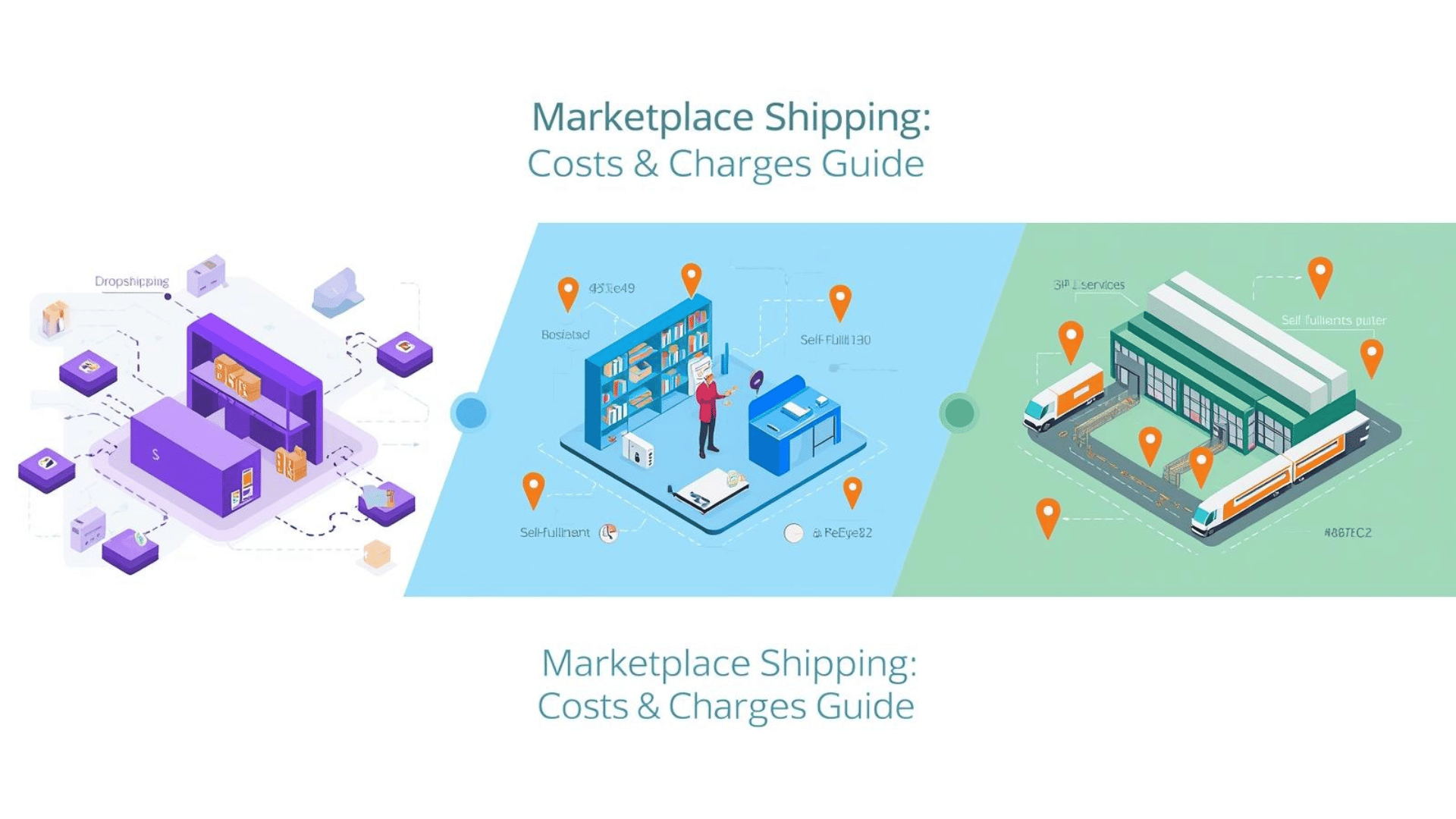
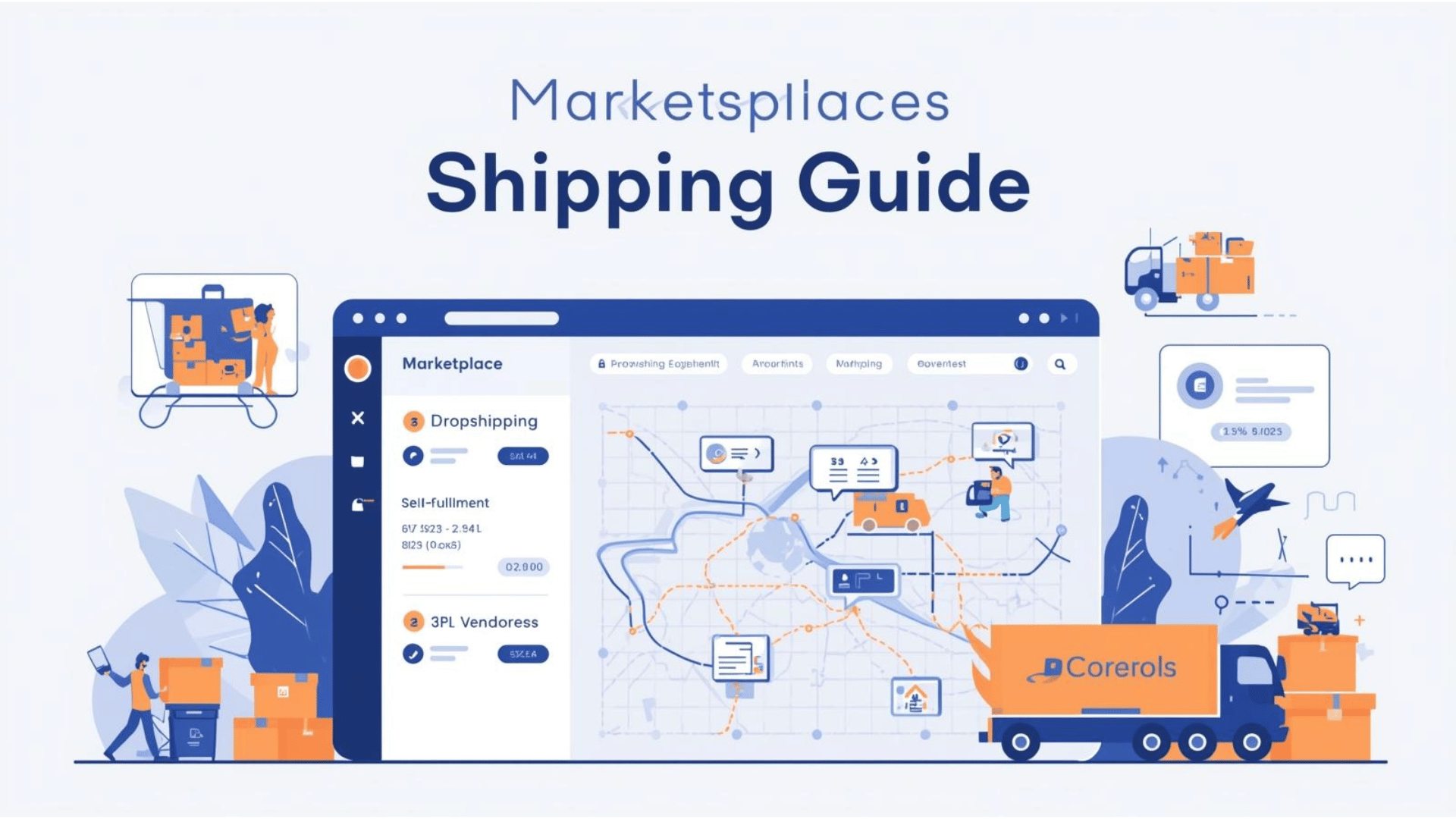
Choosing a shipping model is only half the work. Execution—SOPs, automation, and clear SLAs—is where margins and customer trust are won. The core models to plan for are dropshipping (vendor-fulfilled), self-fulfilment (you ship), and third-party logistics (3PL). (WC Lovers)
Model 1: Dropshipping (vendor-fulfilled)
Where it shines
- Wide catalog without your own warehouse
- Localised delivery options via vendors
Watchouts
- Variable service quality across vendors
- Stockouts and inconsistent packaging
Execution checklist
- Vet vendors: ratings, handling time, return policy, packaging standards.
- Service levels: define dispatch window, tracking requirement, and proof-of-delivery.
- Inventory sync: automated stock updates; add backup vendors for top SKUs.
- Tracking visibility: push shipment status to customers and support.
- Dispute flow: who refunds, who reships, and when.
WordPress/WCFM tips
- Use a vendor dashboard with shipping/zone rules and delivery modules. See WCFM Marketplace guides:
- WCFM overview → woocommerce-frontend-manager-guide
- Upgrade help → wcfm
- WCFM essentials → wcfm marketplace guide
- WCFM overview → woocommerce-frontend-manager-guide

Model 2: Self-fulfilment (you pick, pack, ship)
Where it shines
- Full control over packaging, branding, and SLAs
- Easier standardisation of rates and rules
Watchouts
- Fixed overheads (space, staff, materials)
- Capacity planning during peaks
Execution checklist
- Warehouse flow: receive → locate → pick list → pack → label → manifest.
- Packaging SOPs: right box, void fill, fragile handling, branded inserts.
- Labelling: scannable barcodes, readable addresses, clear return info.
- Carrier rules: weight/volume tiers, surcharge triggers, cut-off times.
- Cost control: negotiate lanes, audit invoices, review failed-delivery fees.
- Automation: print labels, batch fulfil, push tracking, exception alerts.
WordPress/WCFM tips
- Add delivery management where needed (assign drivers, live status). Explore delivery workflows and add-ons within your stack. (WC Lovers)

Model 3: Third-Party Logistics (3PL)
Where it shines
- Fast scale-up without new facilities
- Access to multi-node networks and better freight rates
Watchouts
- Less direct control over day-to-day handling
- Contract lock-ins, change fees
Execution checklist
- Selection matrix: coverage, SLAs, integrations, special handling (e.g., hazmat, cold chain).
- Onboarding: SKU master, carton specs, ASN format, returns flow.
- KPIs: receiving time, pick accuracy, on-time ship %, claims rate.
- Exit plan: data/stock portability, notice period, penalty clauses.
- Quarterly reviews: rate cards, surcharge changes, peak plans.

Pricing & policy building blocks (for any model)
- Rate logic: weight vs. dimensional weight; zone matrices; remote surcharges.
- Displayed fees: be transparent—flat, real-time, or table rates.
- Returns: pre-auth rules, label issuance, refurbishment/disposal policy.
- Customer comms: order confirmed → packed → shipped → out for delivery → delivered → NPS.
For broader planning, see:
- Choosing a shipping model → guide
- Marketplace deliveries: challenges & solutions → read
- Validating your marketplace idea → checklist
- Online marketplace planning → part-2
- WCFM vs Dokan → comparison
- Affiliate marketing for marketplaces → strategy
- Ecommerce trends → round-up
- Businesses that worked during COVID-19 → ideas
Packaging & labelling quick rules
- Boxes match contents: reduce void; protect corners/edges.
- Seals & inserts: tamper-evident tape; simple return instruction card.
- Readable labels: no over-stickers on barcodes; contrast and placement matter.
- Compliance: battery warnings, country-specific marks where needed.
Automation playbook (WordPress + WCFM ecosystem)
- Vendor rules: require vendors to set ship zones, lead times, and carriers; validate during onboarding.
- Rate display: table or real-time rates depending on catalogue complexity.
- Dispatch flow: bulk print labels; one-click “mark shipped”; auto-email tracking.
- Exceptions: trigger support tickets for failed scans, RTOs, and delays.
- Personalized recommendations: suggest faster shipping upsells or local-vendor alternatives.
- Learn more → Personalized Recommendations
- Learn more → Personalized Recommendations
Common pitfalls (and how to avoid them)
- Mixed model confusion: decide per-SKU who fulfils; don’t switch mid-order.
- Unclear cut-offs: publish pick/pack deadlines per carrier and stick to them.
- No back-order plan: maintain alternates for bestsellers; show realistic ETAs.
- Hidden fees: audit invoices; monitor re-delivery and address-correction charges.
- Weak returns policy: define windows, conditions, and refund timelines upfront.
FAQ: Marketplace Shipping
Which marketplace shipping model is best for a new store?
Start simple. If vendors already pack/ship well, dropshipping reduces your overhead. As order volume stabilises, evaluate self-fulfilment or a 3PL for control and scale. (WC Lovers)
Should I show real-time carrier rates or flat rates?
If products vary widely in size/weight, real-time rates are fairer; flat rates work for uniform items and simpler UX. Test both against conversion and margin targets.
How do I keep vendor shipping quality consistent?
Onboard with SLAs, packaging standards, and periodic audits. Automate tracking and flag late dispatches to support.
When does a 3PL make sense?
When your own space/staff become the bottleneck, or you need multi-region 2-day coverage without new leases.
What should I measure weekly?
On-time ship %, first-attempt delivery %, claim rate, return rate, and cost/order (incl. surcharges).
Get help
Need hands-on help setting up marketplace shipping in WordPress (WCFM, Woo, custom flows) or choosing the right model? Contact us — we implement, automate, and document the whole pipeline.