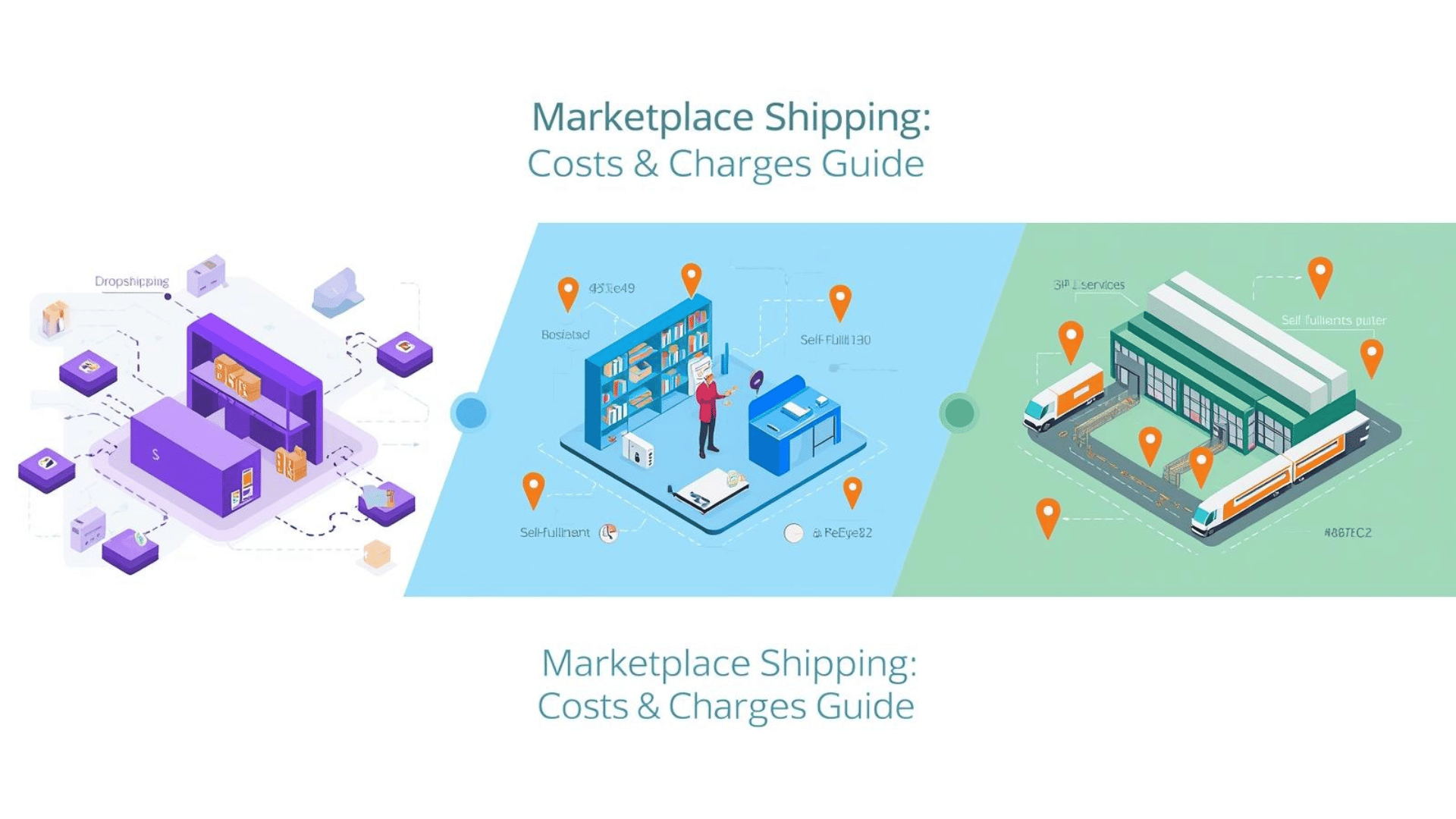


After choosing a shipping model that aligns with your business goals, the next crucial step is executing your marketplace shipping strategy effectively. Whether you're managing dropshipping, self-fulfillment, or third-party logistics, proper implementation determines your success.
In today's competitive ecommerce landscape, where trends are constantly evolving, efficient marketplace shipping can make or break your business. This guide explores proven strategies to help you manage deliveries seamlessly across different shipping models.

Mastering Dropshipping for Your Marketplace
Dropshipping presents unique challenges in marketplace shipping, as you have limited control over the supply chain. However, with the right approach, you can maintain quality standards and customer satisfaction.
1. Partner with Trustworthy Sellers
The foundation of successful dropshipping lies in vendor selection. Since sellers handle the entire shipping process, their reliability directly impacts your marketplace reputation. Before onboarding any vendor, consider these essential factors:
Key Questions to Ask Potential Sellers:
- How are they rated on other marketplaces?
- What logistics partners do they work with?
- Can they provide product samples for quality verification?
- Do their return policies align with your marketplace standards?
- How responsive is their customer support team?
Remember, the lowest price isn't always the best choice. When validating your marketplace idea, factor in the importance of reliable shipping partners who can maintain consistent service quality.
2. Implement Inventory Oversight
Nothing damages customer trust faster than accepting orders for out-of-stock items. To prevent this scenario in your marketplace shipping operations:
Inventory Management Best Practices:
- Set up automated stock monitoring systems
- Receive instant notifications for low inventory levels
- Maintain multiple sellers for popular products
- Use tools like WCFM Marketplace for real-time stock updates
- Establish clear restocking timelines with vendors
3. Maintain Order Visibility
Transparency in marketplace shipping builds customer confidence. Implement tracking systems that provide:
Essential Tracking Features:
- Automated dispatch notifications
- Real-time shipment status updates
- Expected delivery date communications
- Tracking codes for customer self-service
- Vendor performance monitoring dashboards

Optimizing Self-Fulfillment Operations
Self-fulfillment gives you complete control over marketplace shipping but requires careful coordination of multiple processes. Here's how to excel at in-house fulfillment:
1. Leverage Automation Technology
Manual order processing becomes impossible as your online marketplace grows. Invest in automated systems that streamline operations:
Automation Benefits:
- Instant order notifications to warehouse teams
- Automated inventory updates after each sale
- Real-time communication between departments
- Reduced processing errors and delays
- Scalability for growing order volumes
The WooCommerce Frontend Manager offers comprehensive automation features that can transform your fulfillment efficiency.
2. Perfect Your Packaging Strategy
Professional packaging protects products and reinforces your brand identity. Consider these packaging essentials for marketplace shipping:
Packaging Guidelines:
- Choose appropriate materials based on product type and shipping distance
- Use eco-friendly options for local deliveries when possible
- Ensure adequate padding for fragile items
- Select box sizes that minimize dimensional weight charges
- Include branded elements to enhance unboxing experience
3. Master Shipping Labels
Accurate labeling prevents delivery errors and returns. Every package should display:
Label Requirements:
- Complete the recipient name and address
- Clear landmark references for easier delivery
- Seller information and return address
- Scannable tracking codes
- Water-resistant printing to prevent smudging
When comparing platforms like WCFM vs Dokan, consider their label printing capabilities as a key factor.

Succeeding with Third-Party Logistics
Outsourcing to 3PL providers can solve many marketplace delivery challenges, but success requires strategic partnership management.
1. Select the Right 3PL Partner
Choosing a logistics provider impacts every aspect of your marketplace shipping. Evaluate potential partners based on:
Selection Criteria:
- Service capabilities and geographic coverage
- Ability to handle order volume fluctuations
- Technology integration options with your marketplace
- Track record with similar businesses
- Scalability for future growth
2. Verify Safety Standards
Professional 3PL providers maintain strict safety protocols. Ensure your partner has:
Required Certifications:
- ISO quality management certifications
- OHSAS health and safety standards
- FDA compliance for food products
- Data security protocols for customer information
- Insurance coverage for shipment protection
3. Negotiate Strategic Contracts
Effective contract negotiation protects your interests while ensuring quality marketplace shipping:
Contract Essentials:
- Clear service level agreements (SLAs)
- Performance metrics and penalties
- Flexible terms allowing provider changes
- Volume-based pricing advantages
- Regular review and renegotiation clauses
Consider seeking legal advice to avoid potential pitfalls in your agreements.
4. Monitor Performance Continuously
Don't assume your 3PL partner will maintain standards without oversight:
Performance Tracking Methods:
- Regular operational audits
- Customer satisfaction surveys
- Delivery time analysis
- Damage and return rate monitoring
- Quarterly performance reviews

Integrating Technology for Better Shipping
Modern marketplace shipping demands sophisticated technology solutions. The WCFM Ultimate platform offers comprehensive features including:
- Automated order routing to appropriate vendors
- Real-time inventory synchronization
- Multi-carrier shipping integrations
- Customizable shipping rules and zones
- Performance analytics and reporting
These tools prove especially valuable for businesses that emerged or adapted during COVID-19 when efficient shipping became critical for survival.
Advanced Strategies for Marketplace Growth
As your marketplace expands, consider implementing:
- Personalized recommendations to increase average order value
- Affiliate marketing programs to drive more traffic
- Regional fulfillment centers for faster delivery
- Same-day delivery options for local customers
Frequently Asked Questions
Q1: What's the most cost-effective marketplace shipping model for startups?
A: Dropshipping typically requires the lowest initial investment since you don't handle inventory or shipping directly. However, self-fulfillment might offer better margins once you reach sufficient volume. Evaluate your specific situation based on product types, target market, and available capital.
Q2: How can I ensure consistent delivery times across multiple vendors?
A: Establish strict SLAs with all vendors, implement automated monitoring systems, and maintain a vendor scorecard system. Consider using platforms like WCFM that provide centralized tracking and vendor management capabilities.
Q3: Should I offer free shipping on my marketplace?
A: Free shipping can increase conversion rates, but must be balanced against profitability. Consider offering free shipping above a minimum order value, building shipping costs into product prices, or providing free shipping as a loyalty reward.
Q4: How do I handle international marketplace shipping?
A: Partner with established international carriers, clearly communicate customs responsibilities to customers, use accurate customs documentation, and consider working with fulfillment centers in key international markets.
Q5: What metrics should I track for marketplace shipping performance?
A: Monitor average delivery time, on-time delivery rate, shipping cost per order, damage/return rates, customer satisfaction scores, and vendor shipping performance. Regular analysis helps identify improvement areas.
Taking the Next Step
Successful marketplace shipping requires continuous optimization and adaptation. Whether you're just starting or looking to improve existing operations, proper execution makes the difference between marketplace success and failure.
Ready to transform your marketplace shipping operations? Contact our team for personalized guidance on implementing these strategies with WCFM Marketplace solutions. We'll help you build a shipping system that delights customers and scales with your growth.
Remember, marketplace shipping isn't just about moving products—it's about creating experiences that keep customers coming back. Start implementing these strategies today to build a reputation for reliable, efficient delivery that sets your marketplace apart from the competition.

The #1 WordPress & Woo agency